

Recent geopolitical tensions have also highlighted the fragility of global supply chains. Disruptions in the trade of cereals, fertilizers, or other essential inputs can quickly lead to rising prices, reduced production, and worsening food insecurity. In this context, strengthening the resilience of food systems is no longer only a development issue; it is also a matter of security and stability.
To address these challenges, Belgium has made the transition to sustainable food systems a priority of its international cooperation policy. Through multilateral partnerships, bilateral programmes, and support for civil society, Belgium contributes to the development of solutions that simultaneously address climate, environmental, economic, and social challenges.
Transforming Food Systems to Meet the Challenges of the 21st Century
Food systems lie at the heart of several global challenges: climate change, biodiversity loss, poverty, epidemics and health risks, conflict, and malnutrition. At the same time, they represent a powerful lever for achieving all the Sustainable Development Goals (SDGs) of the 2030 Agenda.
Belgian international cooperation supports the transition towards more sustainable food systems that can ensure access to healthy food while preserving natural resources. To this end, it invests in research and innovation, supports programmes promoting agroecology, climate resilience, and sustainable natural resource management, and actively contributes to international food systems governance through multilateral organizations. This approach is fully aligned with Belgium’s priorities on climate and biodiversity, health, and stability.
A Strategic Partnership with CGIAR
Belgium notably supports CGIAR, the world’s largest publicly funded agricultural research network. Through scientific research, CGIAR contributes to making food systems more productive, more sustainable, and better adapted to the impacts of climate change.
These innovations respond to very tangible needs: drought- and heat-resistant crop varieties, improved soil fertility, digital climate services for farmers, more nutritious diets, and financing tools tailored to climate risks.
Between 2022 and 2024, more than 20 million farmers in 62 countries benefited from 471 innovations developed through CGIAR research. The knowledge and technologies generated greatly benefit Belgium’s partner countries, including Senegal, Burkina Faso, and Tanzania, while also contributing to the provision of global public goods in support of more sustainable food systems.
Investing in Agroecology in the Sahel
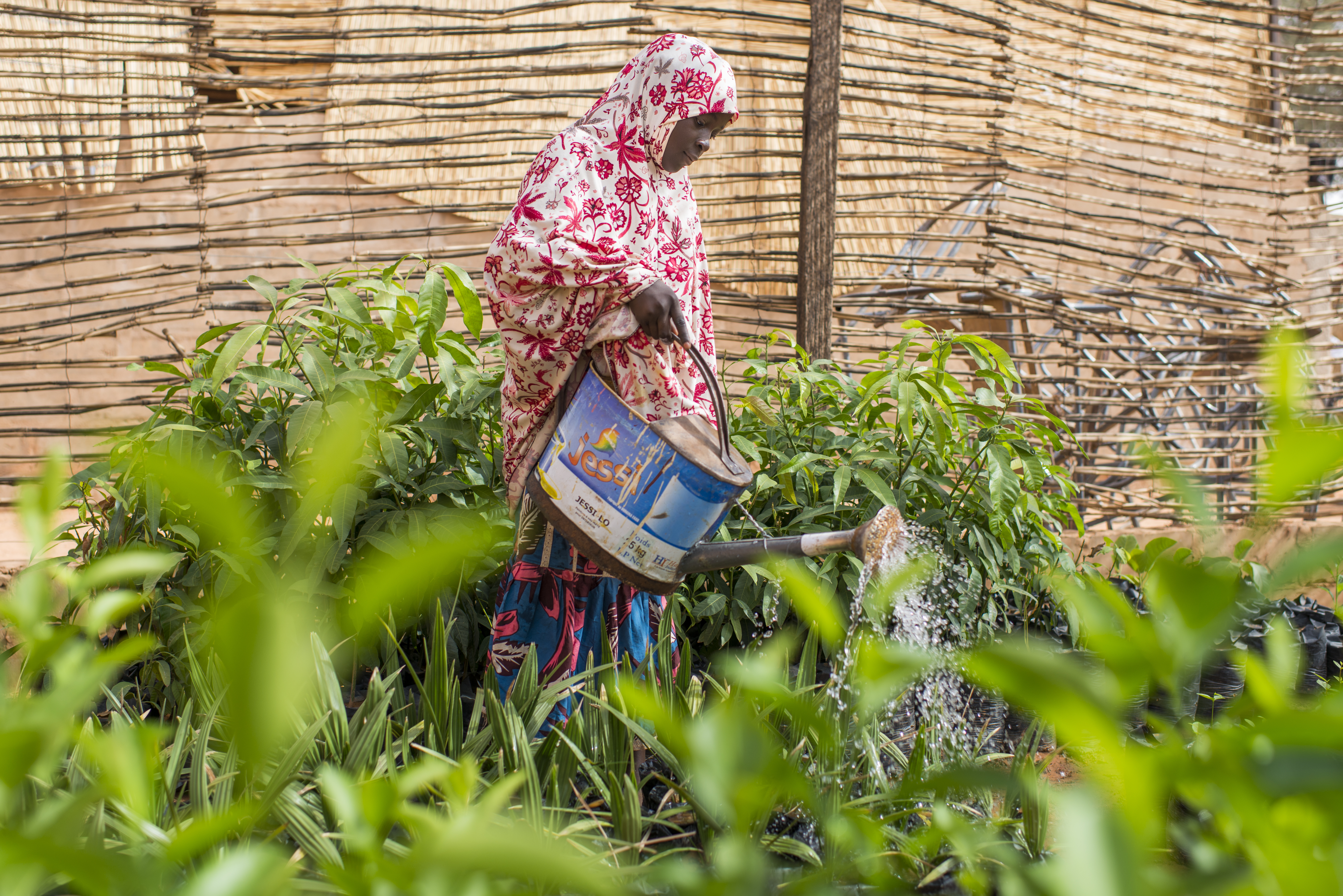
The impacts of climate change are particularly severe in the Sahel, where rural populations face more frequent droughts, land degradation, and persistent food insecurity. To address these challenges, Belgium is contributing €50 million to the Sahel Climate Programme implemented by Enabel.
The programme supports the agroecological transition with the aim of sustainably strengthening the resilience of local food systems. It promotes agricultural practices that improve productivity while preserving soils, water resources, and biodiversity.
Particular attention is given to women and young people, whose role is essential in transforming food systems. Through the programme, hundreds of groups and associations have been supported in developing sustainable economic activities, improving access to financial services, and adopting innovative agroecological practices.
An Investment in the Future
Belgium also promotes this vision in international forums dedicated to climate and sustainable development. It advocates for an integrated approach that recognizes the close links between agriculture, climate, biodiversity, health, and stability.
Investing in sustainable food systems makes it possible to simultaneously tackle hunger, poverty, and climate change while strengthening communities’ resilience to economic, climate-related, and geopolitical shocks.
As feeding a growing global population while safeguarding the planet is one of the defining challenges of our time, Belgian international cooperation considers the transformation of food systems to be a strategic investment in a more sustainable, resilient, and inclusive shared future.
